
The summer solstice occurs at 10:58 am EDT on June 21 this year for the Northern Hemisphere, and this day marks the beginning of summer. This year on Midsummer the moon will be a waxing crescent which has implications for any magick done that day. In the Southern Hemisphere this is the first day of winter. At this time of year in the Northern Hemisphere the sun is at its northernmost point and is at its strongest. This is the longest day of the year, and after this slowly at first the days will be getting shorter. The word “Solstice” is Latin for the words “sun stand still”. For a few days the sun will appear to rise and set at the same place on the horizon. If the sun is waning after this day, why does it get so hot in late July and August? The answer is a meteorological phenomenon called seasonal temperature lag. The heat builds up in the seas and the land in the world around us and it takes time for the heat to build up. This time of year is about the sun and green world around us. It is a time of abundance for many weeks. The summer solstice is known as Midsummer and Litha. It has been suggested that the origin of the term Litha was coined when J. R. R. Tolkien used the word “Lithe” as the name of the day for the summer solstice in The Lord of the Rings. Both Litha and Midsummer are commonly used terms, but I will refer to this day as Midsummer. Midsummer falls between Beltane and Lughnassad. Beltane is the Celtic start of summer, and the first day of summer depends on how you view the world. Lughnassad is the first of the three harvest festivals. Across the Wheel of the Year is Yule and the winter solstice, the shortest day of the year. Some things done at Yule are also done at Midsummer.
Some deities you might choose to work with at this time of year are Bast, Sekhmet, Amaterasu and Apollo. Bast is the Egyptian goddess of the rising sun, while Sekhmet is the Egyptian goddess who rules the midday sun. Japanese sun goddess Amaterasu hid in a cave, depriving the world of her light and warmth. The other gods and goddesses had to entice her out of the cave. Greek god Apollo drives his sun chariot across the sky. There are a lot of sun deities, so research and find one that works for you.
The Oak King has been waxing in strength since Yule. This is the time when the Oak King and the Holly King do battle. The Holly King inevitably wins on Midsummer and rules the time between Midsummer and Yule. The Holly King will rule until Yule when the Oak King will take over. This ongoing cycle represents the cycle of life, death and rebirth and the cycle of the seasons.
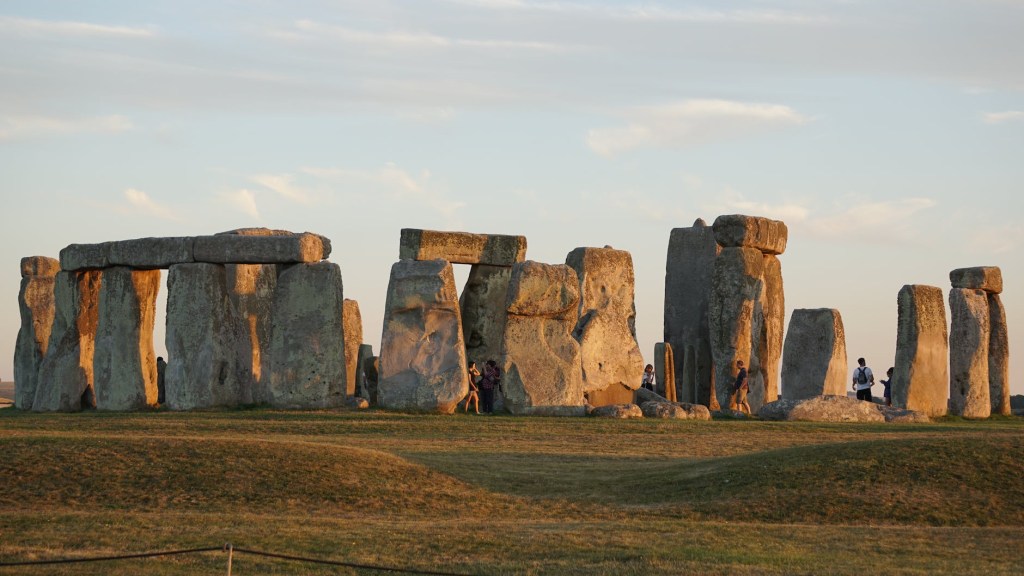
There are great earthworks that align with the rising and setting sun on the solstices. One of the most famous of these is Stonehenge located on Salisbury Plain in Wiltshire, England. Another is the Serpent Mound in Adams County in Ohio. Cahokia Mounds in Collinsville, Illinois also align with the sun. Try creating your own alignments with the sun by setting up a large rock, making a cairn or building a bonfire. Simply choose a location and note where the sun rises and or sets on the horizon on or around the solstice. Mark the location with a very large rock, cairn or a bonfire. I have marked locations with rocks that were about 30 to 40 pounds.
Not surprisingly, Midsummer is traditionally celebrated with fire to honor the sun. The fire may be started by focusing the sun’s energy onto kindling with a magnifying glass. Balefires are often set in celebration. Wheel fires are rolled down hills into bodies of water. You may decide to light a fire in a fire pit. Lighting a gold, yellow or red candle works just as well.
This is a wonderful time to greet the sun at sunrise, midday or sunset. Try raising your arms in a salute to the sun. Some people have an all night vigil, dousing the lights, honoring the sun at sunset and greeting the sun at sunrise.
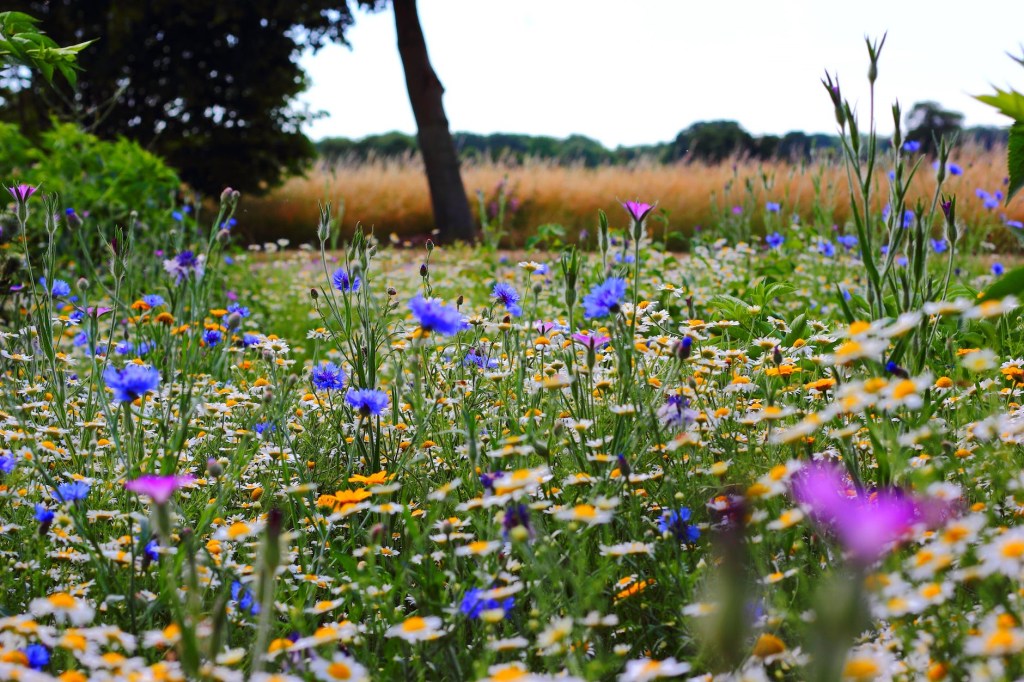
Have a hike or a nature walk. Simply connect with the Earth, or take pictures to display. Collect flowers with which to decorate your altar and more! Floral crowns and wreaths for the door are another tradition of Midsummer. A variety of flowers can be used such as roses, jasmine, lavender and daisies. Note that a wreath represents the Wheel of the Year and as such is a blessing for your home.

Like the winter solstice, this is a great time for a gift exchange. For a group of people, place gifts in a designated location. Then each person picks up a gift. Once everybody has a gift, everyone unwraps the gift at the same time.
Crafts involving the sun or the green world are fantastic. Get your children involved with making many of them! Colors for Midsummer are golds, reds and greens representing the sun and our lush, green natural world. Make circular decorations symbolic of the sun. For example, sandwiched between two pieces of waxed paper, roll out air or oven dried clay. Cut out circles and if you wish some little triangles to attach to the circle as sun rays. Let them air dry or harden in the oven and paint. Or to reflect the green of this world, press a leaf into a tile of clay. Allow to harden and paint as desired. With flowers, clear contact paper and a cardboard frame, create a suncatcher to hang in a window. Very pretty! Danu Forest gives instructions on how to make one.
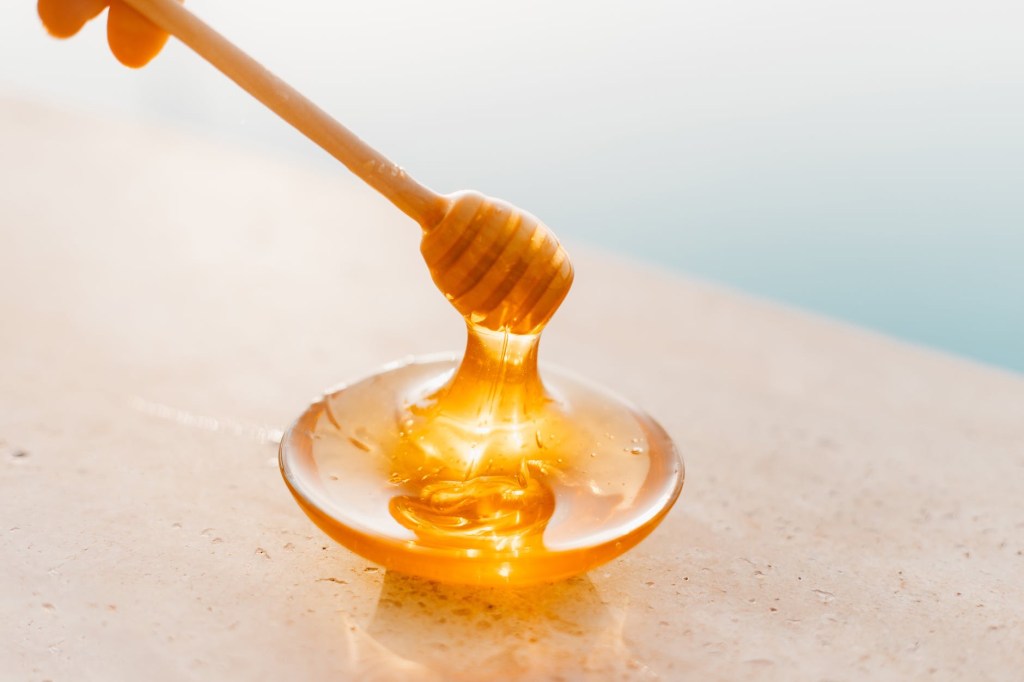
Have a feast or a cookout on this day. Foods that are associated with Midsummer are fresh fruits and barbecue. A watermelon, hulled and stuffed with melon balls, blueberries, strawberries, oranges, grapes and shredded coconut would be a hit at a party. Patricia Telesco tells how to create it. She also gives instructions on how to create a flavorful barbecue sauce to use on pork ribs. Or how about having salmon on the grill? Honey corresponds with the sun and is a wonderful summertime treat. Try some mead or iced lemon balm tea with berries and little honey.
Enjoy learning more about Midsummer and make preparations!
On the day of this post the moon is a waning crescent. Look for something that does not serve you well and remove it from your life.
I will continue to post on Wednesdays.
Auburn Greene
Suggested Investigation:
Cabot, Laurie. Celebrate the Earth: A Year of Holidays in the Pagan Tradition, Dell Publishing, 1994.
Cunningham, Scott. Cunningham’s Encyclopedia of Wicca in the Kitchen, Llewellyn, 1990.
Forest, Danu. The Magical Year: Seasonal Celebrations to Honour Nature’s Ever-Turning Wheel, Watkins, 2016.
Farrar, Janet & Stewart. A Witches’ Bible: The Complete Witches’ Handbook, Phoenix Publishing, 1981, 1984.
Fox, Selena. “Celebrating Summer Solstice,” Circle Sanctuary Network Podcasts, June 16, 2019. Encore from 2013.
Fox, Selena. “Sacred Sun Charms,” Circle Sanctuary Network Podcasts, June 26, 2022. Encore from August 25, 2021.
Fox, Selena. “Sacred Sun Rituals,” Circle Sanctuary Network Podcasts, June 12, 2022. Encore from August 4, 2021.
Nock, Judy Ann. The Wiccan Year: Spells, Rituals, and Holiday Celebrations, Provenance Press, 2007.
Telesco, Patricia. A Kitchen Witch’s Cookbook, Llewellyn, 1994.
 My Inner Wiccan