
In our practice we leave offerings for deities we work with, other beings such as faeries, and trees. An offering is an expression of gratitude and not a barter or a bribe. This gift has value to us. It may be a tangible item or intangible like our time or talent. The time you put into making, growing or gathering the item enhances its value. There are many different kinds of offerings. In case you did not get the memo, we do not use living beings as offerings. So, what are good offerings? It depends to whom you are giving thanks. Research the deity or being to whom you would like to leave an offering. What would this deity or being appreciate? For example, you would not give flowers to the god Vulcan, god of fire and smithing. He would more likely appreciate a silver nugget or a red candle burned in his honor. How often should you make an offering? That is up to you, but it is a good idea to make one on a regular basis. It may be once a day, each week, or once a moon. Note that there is a fine line between an offering and littering. Think about that when you leave an offering.
Sweet homemade baked goods such as cookies are ideal offerings for goddesses who rule over fertility and childbirth such as Roman goddess Alemonia, Egyptian goddess Bast and Nordic goddess Frigg. Cookies can be offered at any time but are often associated with Yule.
Milk and even breast milk are great offerings. Milk was traditionally offered during the time of the lambing season around Imbolc when it was in supply. Think about giving it to deities of fertility and deities of hearth and home such as the Greek goddess Hestia or Irish goddess Brigid. Milk is also a superb offering to beings such as the faeries.
Eggs are a wonderful offering for many of the gods. They are associated with spring and especially Ostara. Consider burying the egg which will help the fertility of your garden.
Flowers are super springtime and summertime offerings to deities of love such as the Roman goddess Venus, the Greek god Eros/Cupid and the Babylonian goddess Ishtar. Think about putting an appropriate colored candle in the center of a shallow bowl and filling it with water. Float some flowers in the water. Light the candle and you have a wonderful offering.
Honey is a wonderful summertime offering. Summer is the time of year that corresponds with honey as bees are busily making this treat. Unless your intention is to feed the ants, be careful where you leave it out. Leave the sweet treat honey for the gods of love.
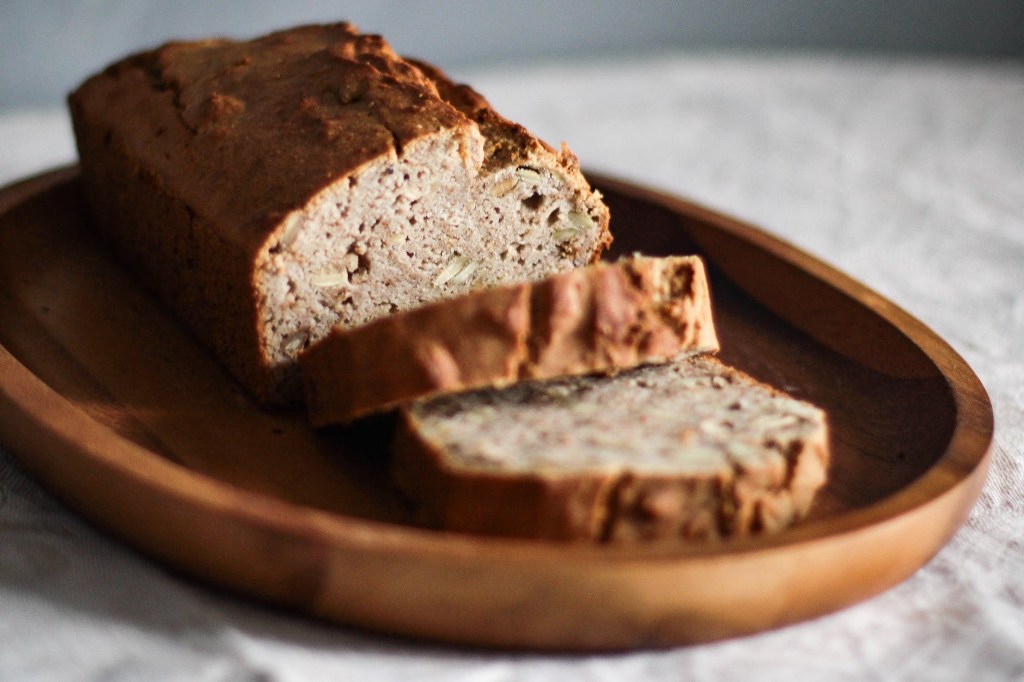
Grain is an offering that corresponds Lughnassadh, the first harvest of the year. It could be any grain like wheat, corn, oats or rye. Consider making some homemade baked goods like bread and giving it to hearth and home gods as well as faeries.
Wine is an autumnal drink which is most eagerly accepted by many of the gods including the gods of abundance and prosperity. Hindu goddess Lakshmi, Norse goddess Gefion and Roman god Mercury are just a few of these deities of many worldwide.
Cider is a drink that corresponds with Samhain, the last harvest. It is appreciated much by the gods of the hearth and home.
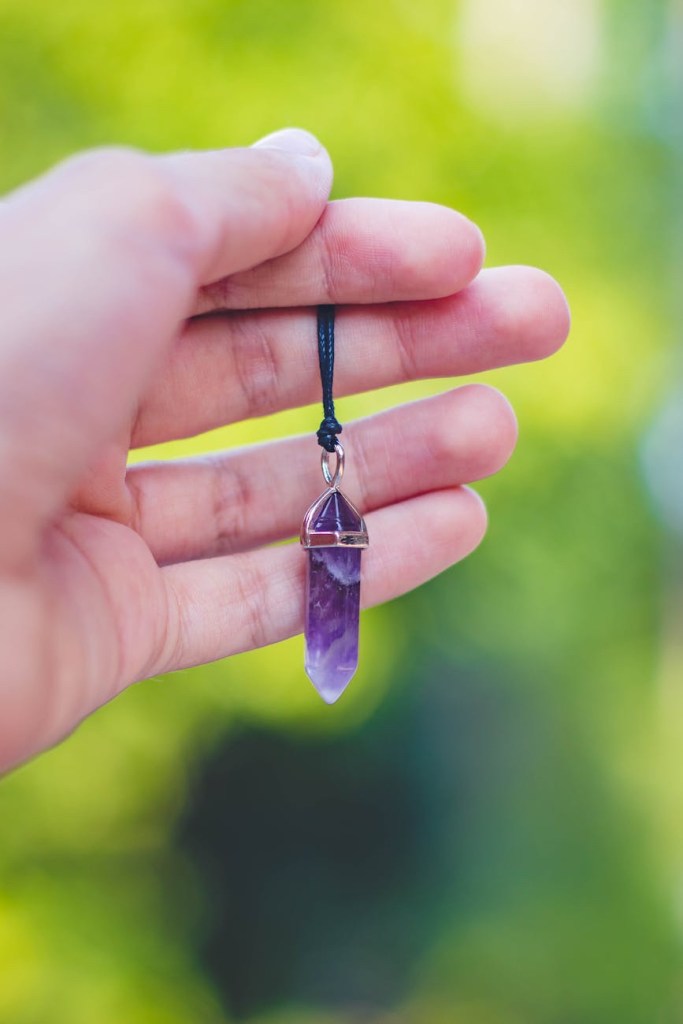
Metal and crystals are a great offering anytime. It might be a piece of jewelry, a nugget, a crystal or coins. The common practice with jewelry and crystals is to bury them. I suggest donating coins to a charity. A god or goddess of smithing would a nugget such as the Greek god Hephaestus or Brigid. Faeries love shiny things like silver, gold, beads and crystals.
What would make great offerings to your ancestors? An excellent offering would be a meal made using some of their recipes. Create an offering from a family meal and a drink from the table. A special meal for the ancestors presented around Samhain is called a dumb supper.
Other items to use as offerings are herbs, candles, incense, cheese, beer, fruit, juice, cooking oil and salt. You may think of other items that the deities would like.
Leave an offering out in an offering bowl and/or a cup. Leave it on your altar, special spot for offerings or out in nature providing you are not feeding the bears. If it is an offering of food or drink, I usually leave out from one to three days. You may wish to bury it, but do not dig it up afterwards. Libations may be poured directly to the Earth. You may burn it, especially if it a candle or incense.
Now it is time to think outside of the box. Let us say that you want to make an offering to the Egyptian goddess Bast, the goddess of cats or Gula, the Babylonian goddess of dogs. How about making a donation to an animal shelter, or volunteering your time there?

Now let us say that you want to make an offering to the Greek god Pan, god of the wilderness or Arduinna, Gaulish goddess of the Ardennes Forest. You could volunteer to pick up trash along a roadside or in a park.
Music, poetry and art make for wonderful offerings. The best music is live. Consider playing an acoustic guitar, drum or singing bowl. Greek god Apollo appreciates music. Create a drawing, painting or a small sculpture. Faeries love music and art.
Let us not forget to say thank to the trees for which owe a great debt of gratitude. Further, if a tree you wish to make an offering to could use a drink, give the tree some water along with your thanks. Note that if there is an abundance of an item like water after several days of rain, think about another gift or making it another time.
Once you have made an offering, it is not yours to get back and use again. When you need your offering bowl back, respectfully get rid of the remains of the offering by burying it or putting it in the compost.
Enjoy learning more about making offerings and make an offering!
Have a happy and meaningful Midsummer!
On the day of this post the moon is a waxing crescent. Think about what you would like to attract in the next two weeks and in the remainder of this year.
I will continue to post on Wednesdays.
Auburn Greene
Suggested Investigation:
Composanto, Jacqueline. “How to Dispose of Offerings as an Urban Pagan.” World Tree Heritage, October 3, 2020, medium.com/world-tree-heritage/how-to-dispose-of-offerings-as-an-urban-pagan-aea3f28c4558.
Cunningham, Scott. Living Wicca: A Further Guide for the Solitary Practitioner, Llewellyn, 1993.
O’Brien, Lora. “How to Make Offerings to Pagan Gods and Goddesses.” Lora O’Brien Irish Author & Guide, February 1, 2021, loraobrien.ie/offerings-to-pagan-gods/
Wigington, Patti. “Pagan Offerings to the Gods.” Learn Religions, September 3, 2021, learnreligions.com/offerings-to-the-gods-2561949.

 My Inner Wiccan